Building an Effective Skincare Routine for Seborrheic Dermatitis-Prone Skin
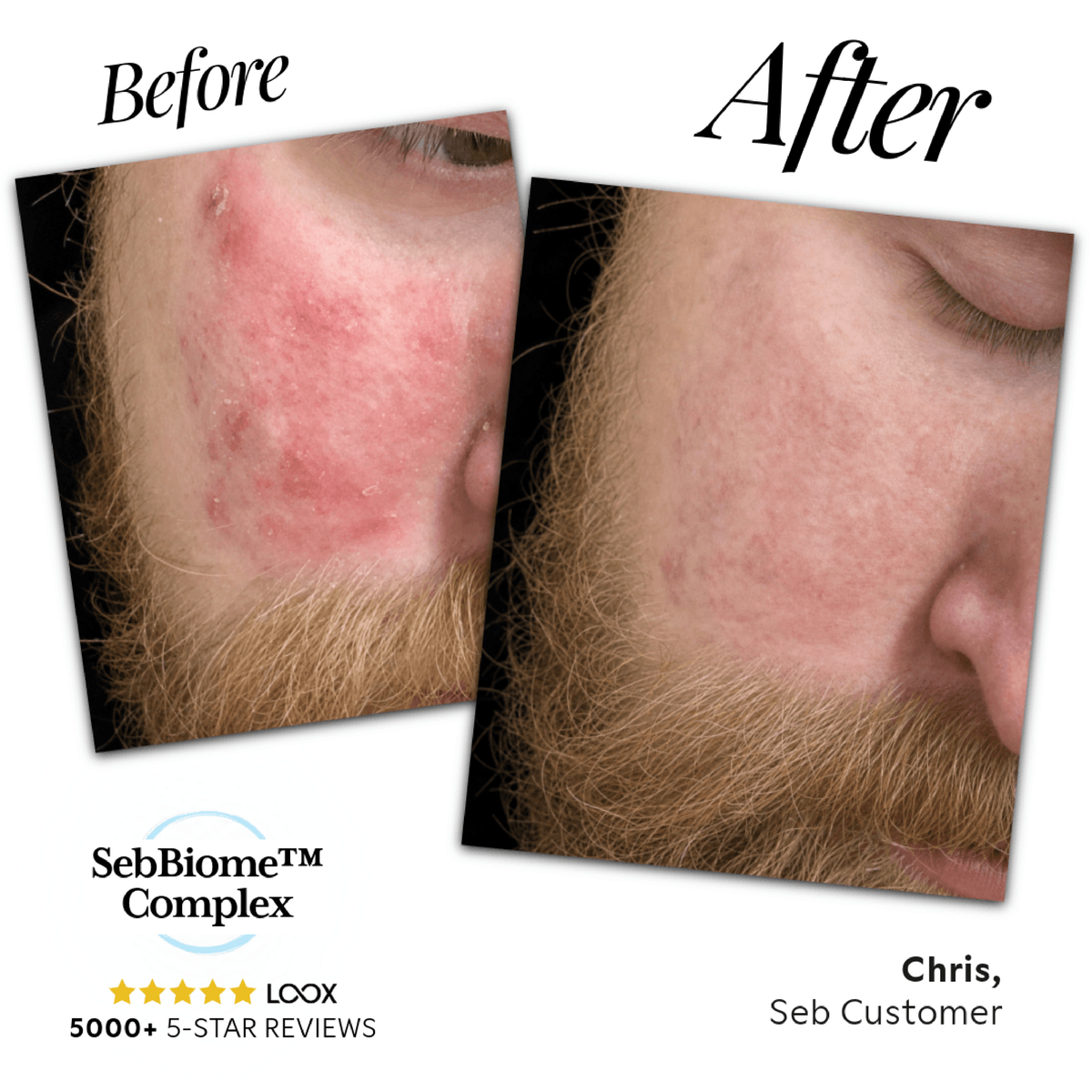
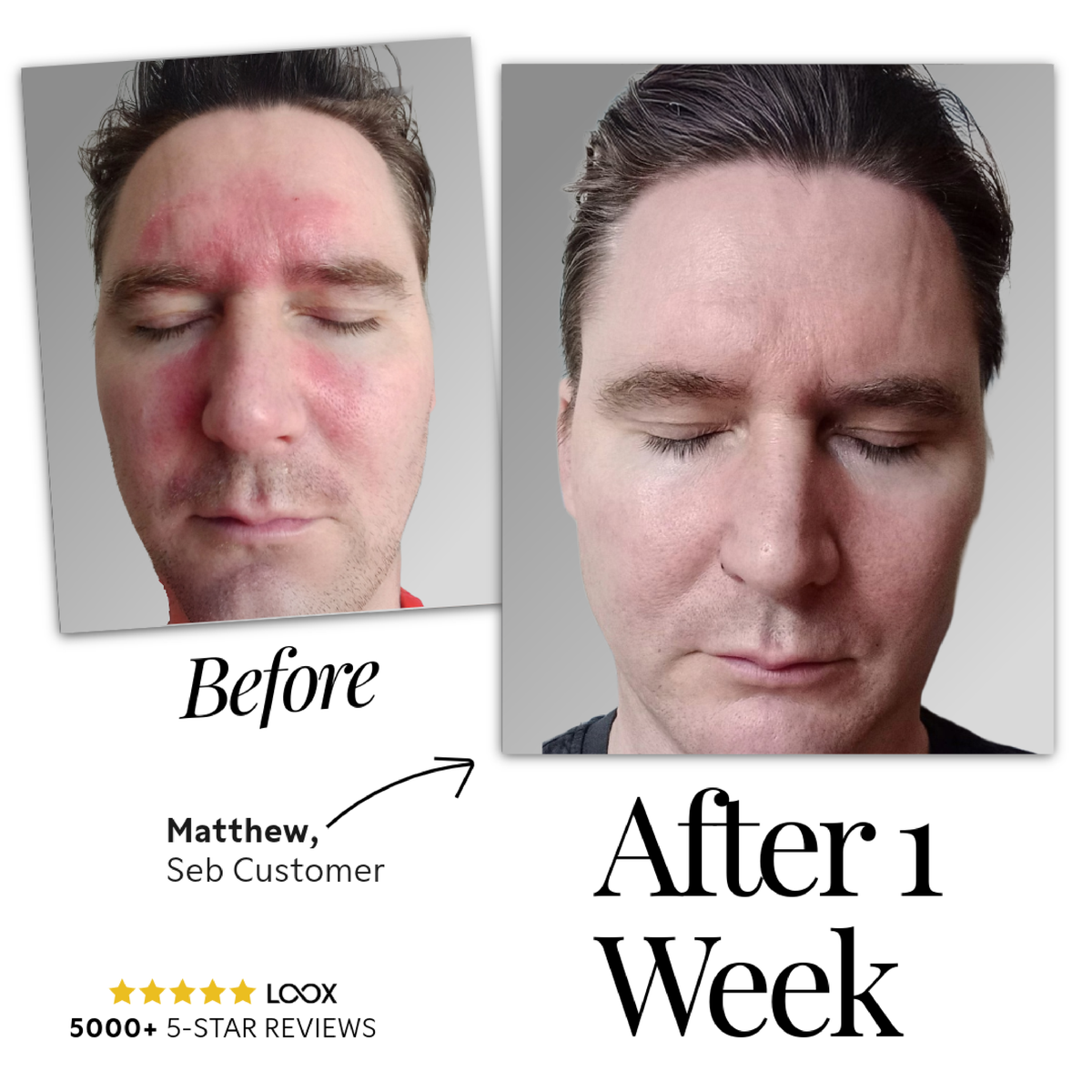
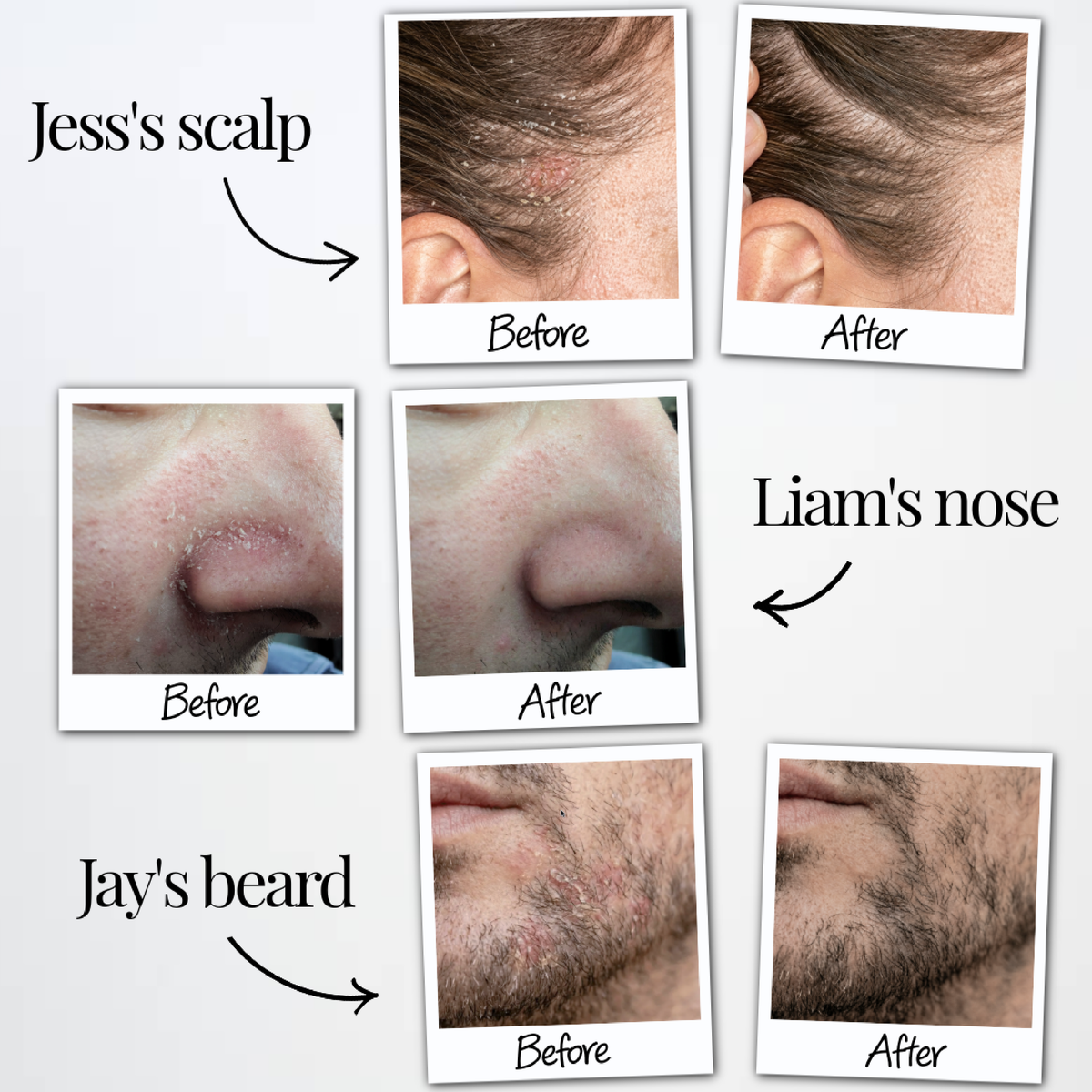
Managing seborrheic dermatitis is not about “curing” the skin overnight — it’s about building a consistent routine that reduces flare-ups, supports the skin barrier, and controls excess oil and irritation.
The right skincare routine can make a dramatic difference in comfort, appearance, and long-term skin stability.
Step 1: Gentle cleansing (the foundation of control)
Harsh cleansers often make seborrheic dermatitis worse by stripping the skin and triggering rebound oil production.
Instead, choose:
- Gentle, fragrance-free cleansers
- Low-foaming or cream-based formulas
- Products that maintain skin barrier balance
Avoid:
- Strong alcohol-based cleansers
- Heavy scrubs or exfoliating brushes
- Highly fragranced products
Cleanse once or twice daily depending on your skin’s oil level.
Step 2: Targeted treatment ingredients
Certain active ingredients are commonly used to manage seborrheic dermatitis:
- Zinc pyrithione – helps reduce yeast overgrowth
- Ketoconazole – antifungal support for Malassezia
- Salicylic acid (low strength) – helps lift flakes
- Niacinamide – calms inflammation and supports barrier repair
These ingredients can be found in shampoos, creams, or medicated washes depending on the affected area.
Step 3: Hydration without heaviness
Many people with seborrheic dermatitis avoid moisturisers — but this can worsen irritation.
The key is using:
- Lightweight, non-comedogenic moisturisers
- Gel-based or fluid textures
- Barrier-repair ingredients like ceramides and glycerin
Well-hydrated skin is more resilient and less reactive.
Step 4: Scalp care (if dandruff or scalp flare-ups are present)
For scalp involvement:
- Use medicated shampoo 2–3 times per week
- Let shampoo sit for 3–5 minutes before rinsing
- Alternate with a gentle regular shampoo
- Avoid heavy oils on the scalp, which may worsen yeast imbalance
Step 5: Consistency over intensity
One of the biggest mistakes is over-treating during flare-ups and stopping care when symptoms improve. Seborrheic dermatitis responds best to steady, low-irritation maintenance.
A simple routine often works better than a complicated one.
Example routine
Morning:
- Gentle cleanse
- Lightweight moisturiser
- SPF (non-irritating formula)
Evening:
- Gentle cleanse
- Treatment product (as needed)
- Moisturiser
Final thoughts
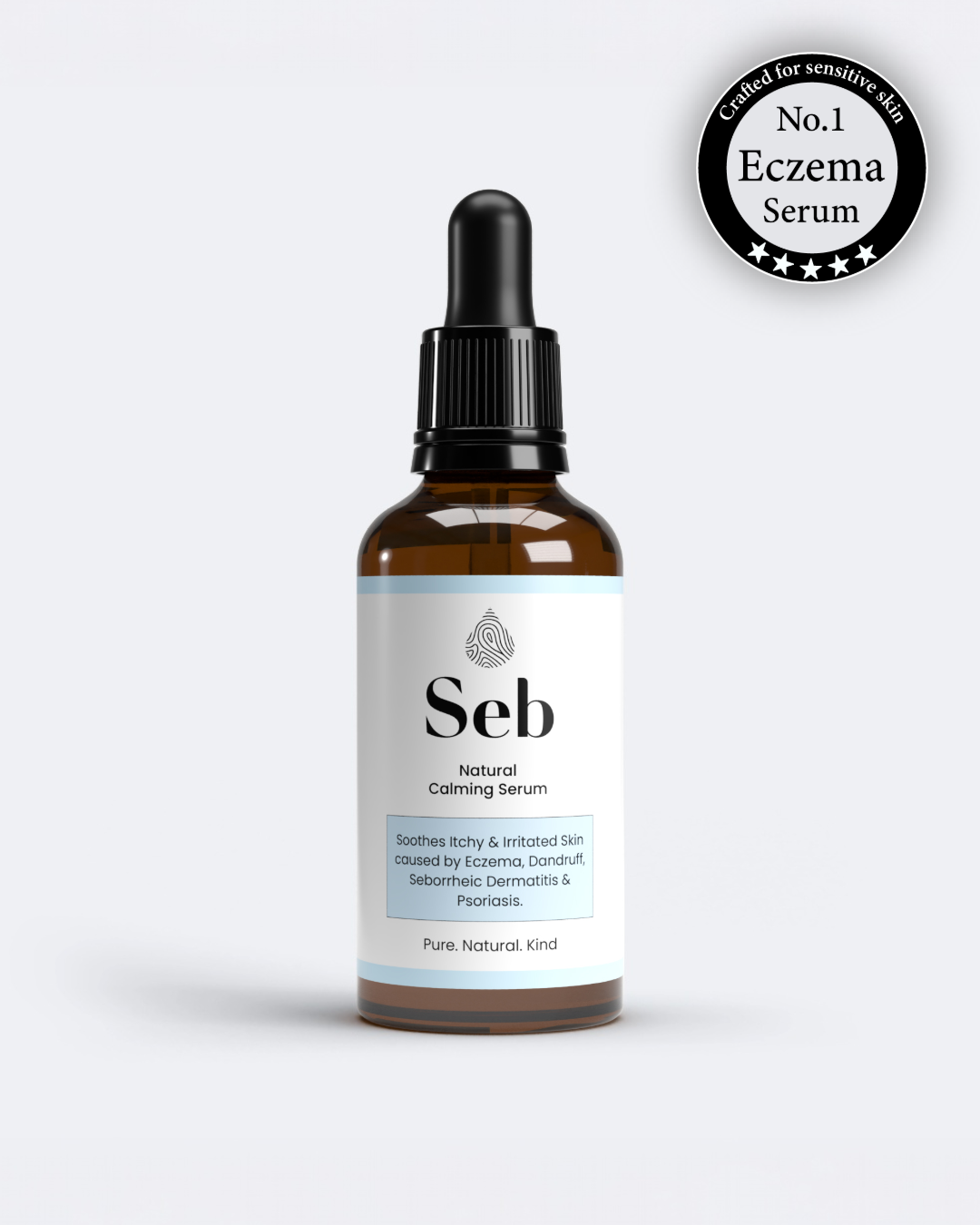
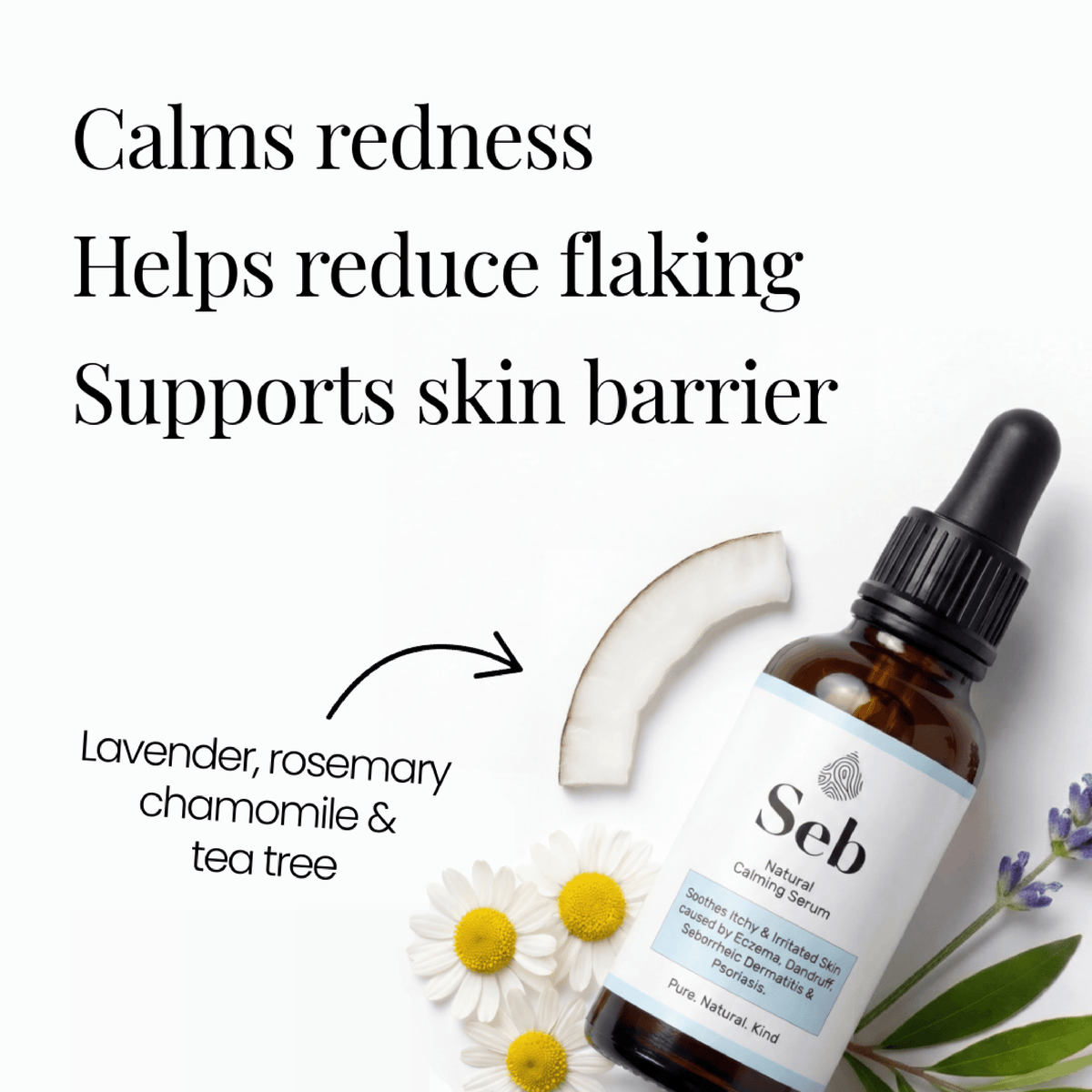
At Seb Skincare, we encourage a calm, consistent approach. The goal is not aggressive treatment, but long-term balance. When the skin barrier is supported, flare-ups often become less frequent and less intense.