Beard Flakes & Redness: The Truth about Seborrheic Dermatitis in the Beard
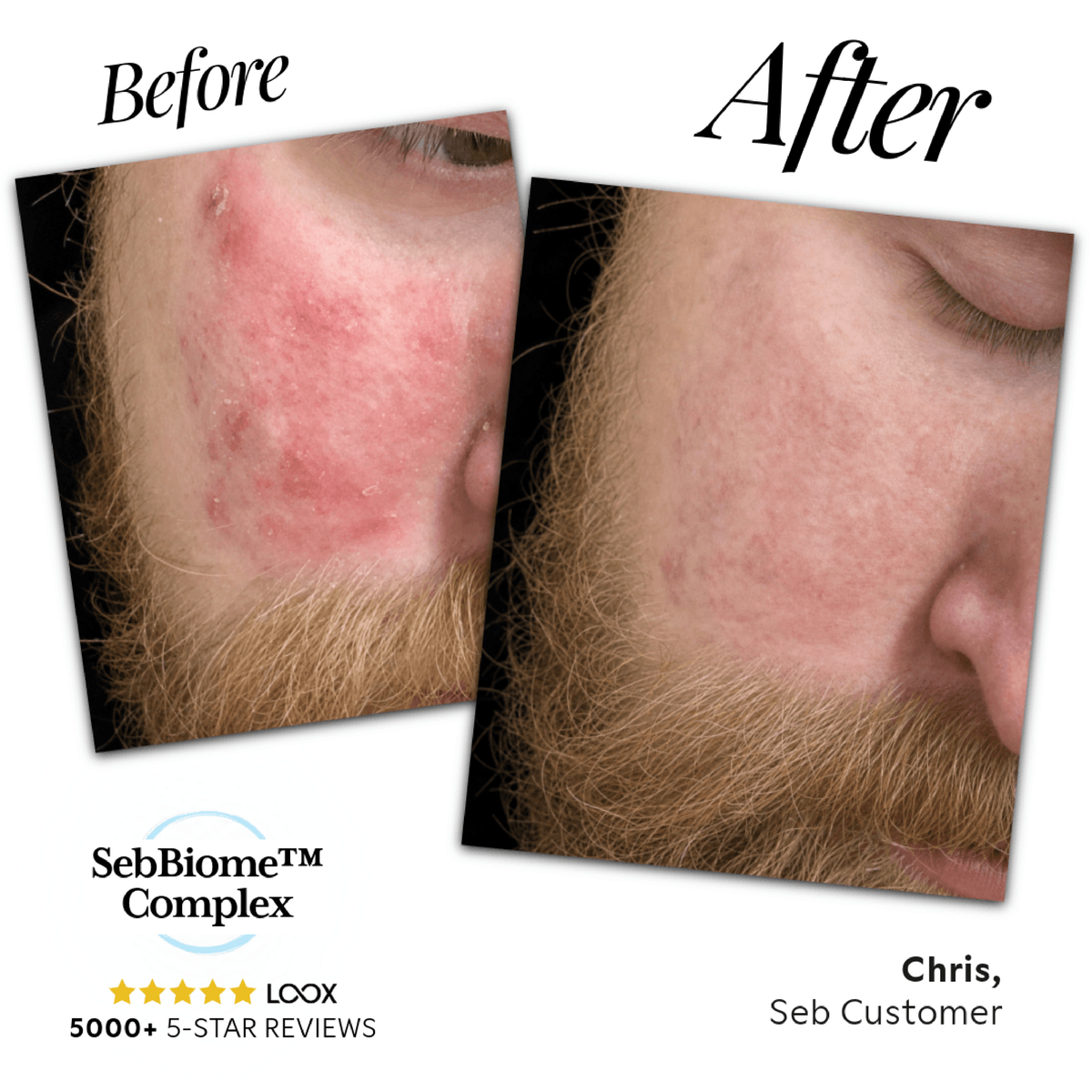
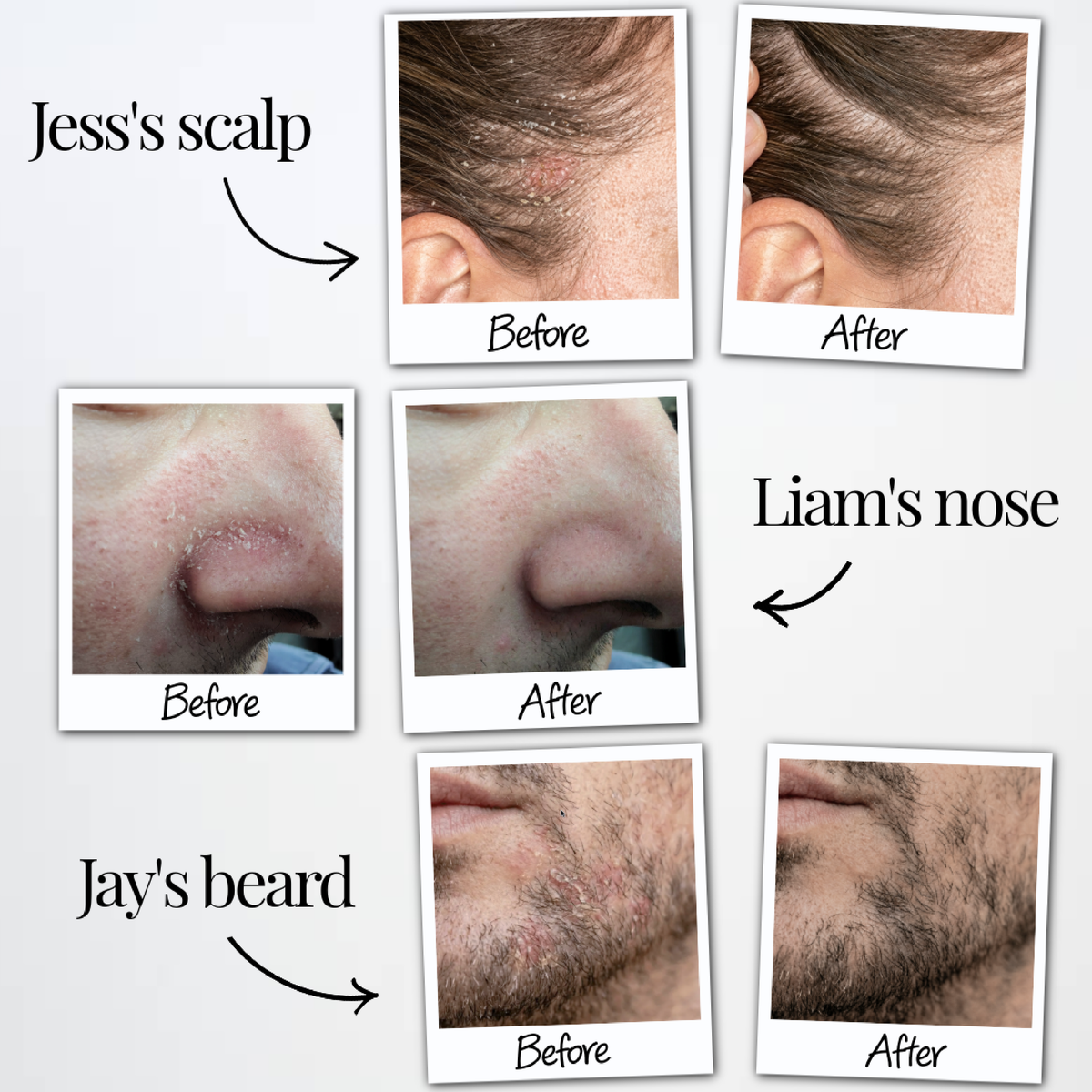
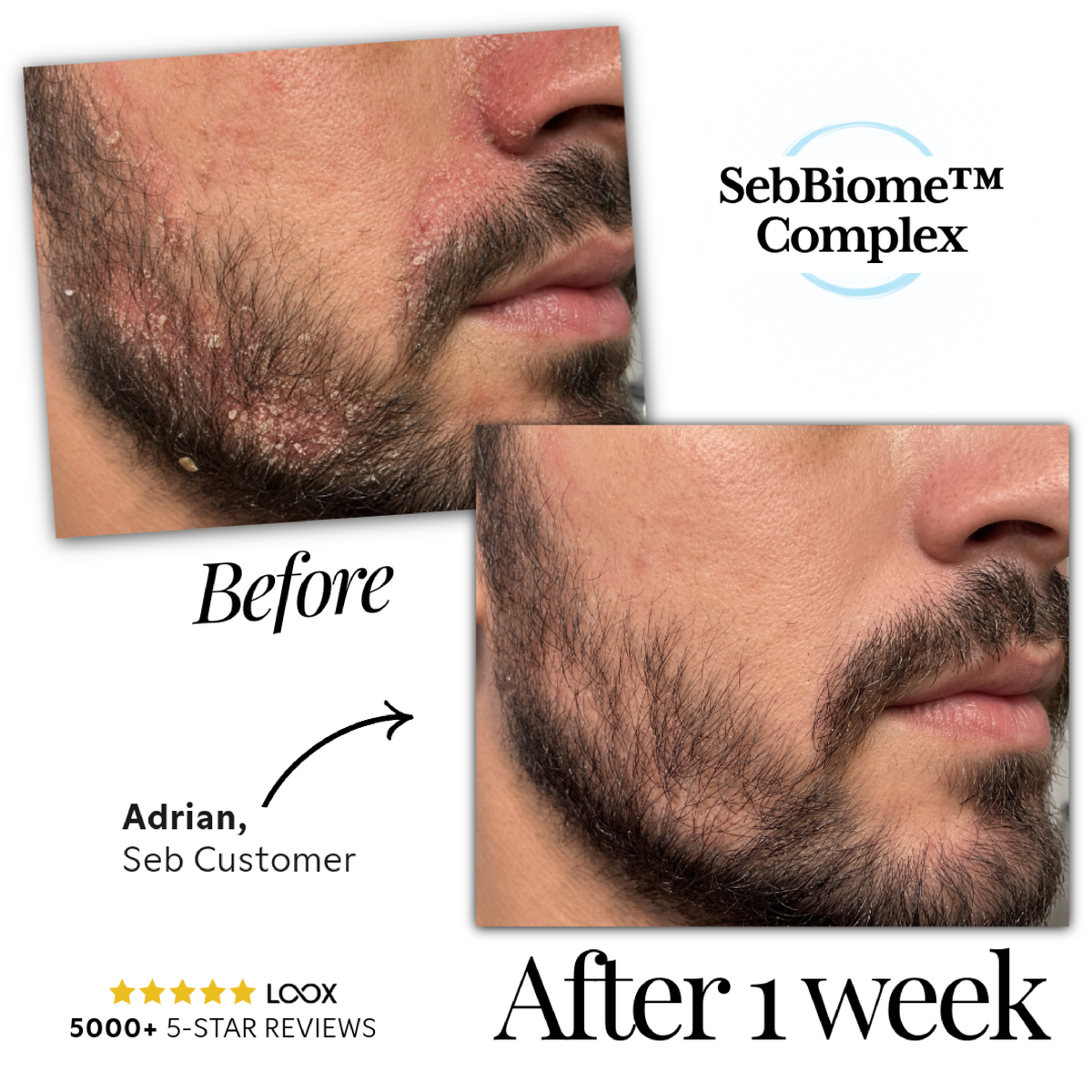
Seborrheic dermatitis (seb‑derm) isn’t limited to the scalp. Many men and some women notice it creeping into facial hair areas, especially the beard. Redness, flaking, itching, and irritation under the beard can be frustrating, particularly when it seems resistant to ordinary washes or beard oils. Understanding why the beard is a prime target—and how to manage it—can make a huge difference in comfort and appearance.
Why Seborrheic Dermatitis Affects Beards
The beard area is essentially prime real estate for seborrheic dermatitis. Here’s why:
High density of oil (sebaceous) glands
The skin under the beard produces sebum, the natural oil that keeps skin hydrated. Sebum, however, is also the food source for the Malassezia yeast, which is closely linked to seborrheic dermatitis. The more sebum, the more potential fuel for flare-ups.
Hair traps oil, sweat, and debris
Unlike bare skin, hair can trap environmental irritants, sweat, and excess oil. This creates a microenvironment where yeast can thrive, scales can build up, and inflammation can worsen.
Products and cleansing reach
Facial hair can make it harder for cleansers, medicated shampoos, or antifungal treatments to reach the skin. Simply washing the surface of your beard isn’t enough; the skin underneath needs attention.
In short, the combination of oil-rich skin, hair coverage, and trapped debris makes the beard area susceptible to seborrheic dermatitis.
Can Seborrheic Dermatitis Spread From Beard to Scalp?
Technically, seborrheic dermatitis is not contagious. You can’t “catch” it from someone else, and it doesn’t spread like an infection. But the condition can affect multiple areas of the skin where the right environment exists.
Here’s what that means:
If you have seb‑derm on your beard, the scalp is also a likely site for flare-ups.
The Malassezia yeast that thrives under the beard can also live on your scalp.
Treating only the beard while neglecting the scalp can allow flare-ups to occur elsewhere.
Practical takeaway:
Treat all affected areas at the same time. Many scalp shampoos and antifungal cleansers that work on the scalp can also be safely applied to the beard skin, not just the hair.
How to Soothe Under-Beard Irritation
Managing seborrheic dermatitis under the beard is about reducing yeast, calming inflammation, and maintaining clean skin. Here are some effective strategies:
Use anti-fungal or medicated cleansers
Apply a gentle anti-fungal shampoo or cleanser directly to the skin beneath the beard.
Let the product sit for a few minutes before rinsing to allow active ingredients to work.
Avoid applying only to hair—skin contact is key.
Moisturise with care
After washing, use a lightweight, non-comedogenic moisturiser or soothing balm to prevent dryness and irritation.
Avoid heavy oils (like coconut or castor oil) that can feed yeast and worsen symptoms.
Trim or maintain your beard
Some men find that shaving particularly problem areas can help control irritation, though it isn’t strictly necessary.
Avoid heavy styling products
Waxes, pomades, and thick oils can trap sebum, dirt, and yeast.
Stick to minimal or lightweight products until symptoms improve.
Be consistent
Seborrheic dermatitis is chronic; flare-ups are normal.
Consistent use of antifungal treatments and gentle care routines is far more effective than intermittent fixes.
Additional Tips
Rotate treatments: If you’re using a medicated shampoo, alternate it with a gentle cleanser on non-treatment days to prevent dryness.
Watch for triggers: Stress, weather changes, and diet can influence flare-ups.
Consult a dermatologist: If inflammation or redness is severe, prescription topical anti-fungals or mild corticosteroids may be needed.
The Takeaway
Seborrheic dermatitis doesn’t only affect the scalp—beards are a common site due to oil-rich skin and hair coverage. While it isn’t contagious, untreated areas can flare up alongside other affected zones, like the scalp.
Key points for beard care with seb‑derm:
Use antifungal or medicated cleansers that reach the skin, not just hair.
Moisturise carefully with non-greasy products.
Keep the beard trimmed for better skin access.
Avoid heavy styling products that trap oil and yeast.
Treat scalp and beard together for the best results.
With proper management, under-beard irritation can be significantly reduced, making your beard more comfortable, healthy, and flake-free.