Stress and Seborrheic Dermatitis: Why Your Skin Reacts to Anxiety
Living with seborrheic dermatitis (SD) can feel like a constant balancing act — you manage your shampoo, moisturiser, diet, weather, and more. But one often overlooked factor is stress. Many people with SD notice that flare-ups coincide with periods of anxiety, pressure, or poor sleep. In this post, we’ll dig into:
-Can stress actually cause or worsen seborrheic dermatitis?
-If yes — what mechanisms might be involved?
-How can you calm your skin naturally (and help mitigate stress-related flare-ups)?
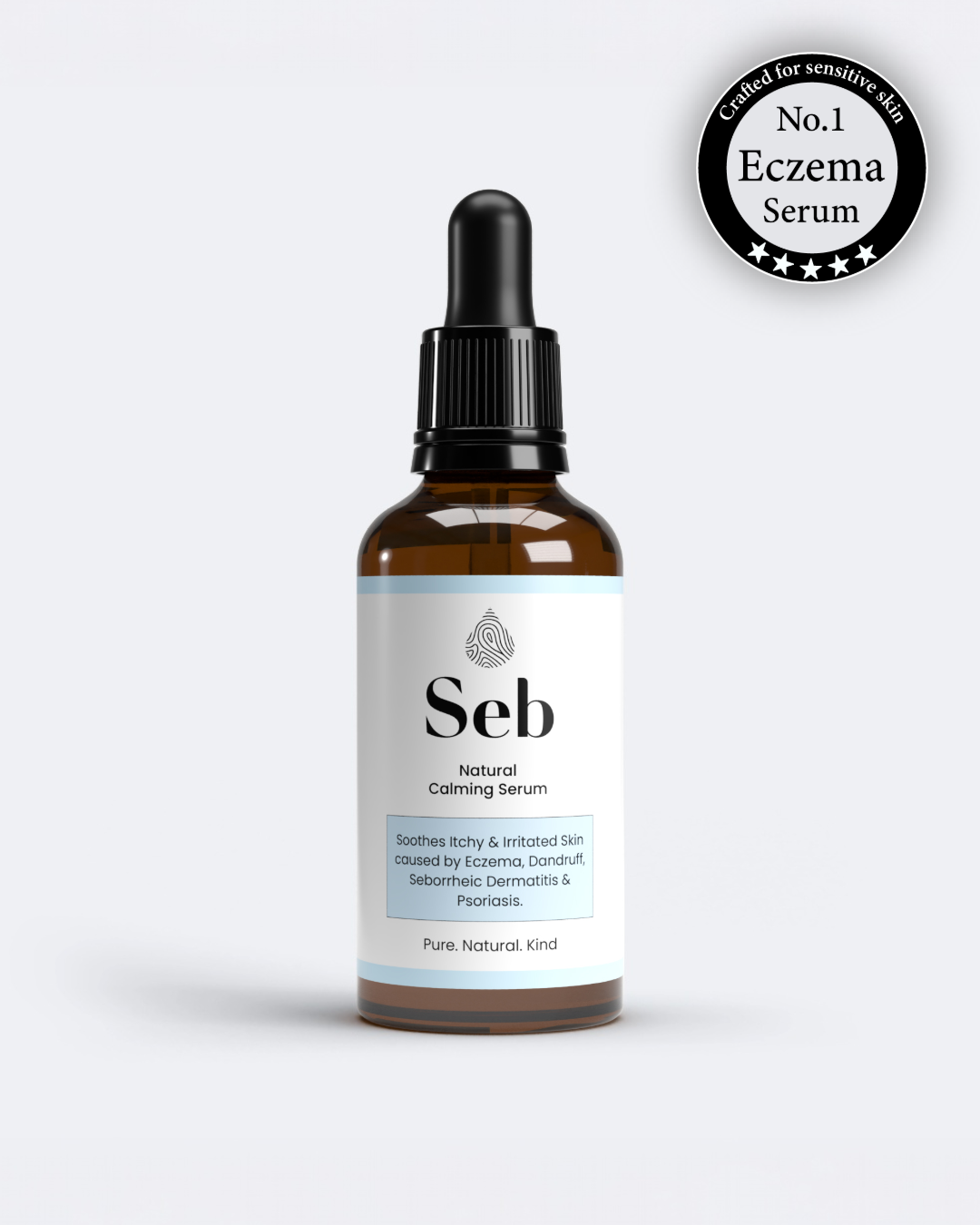
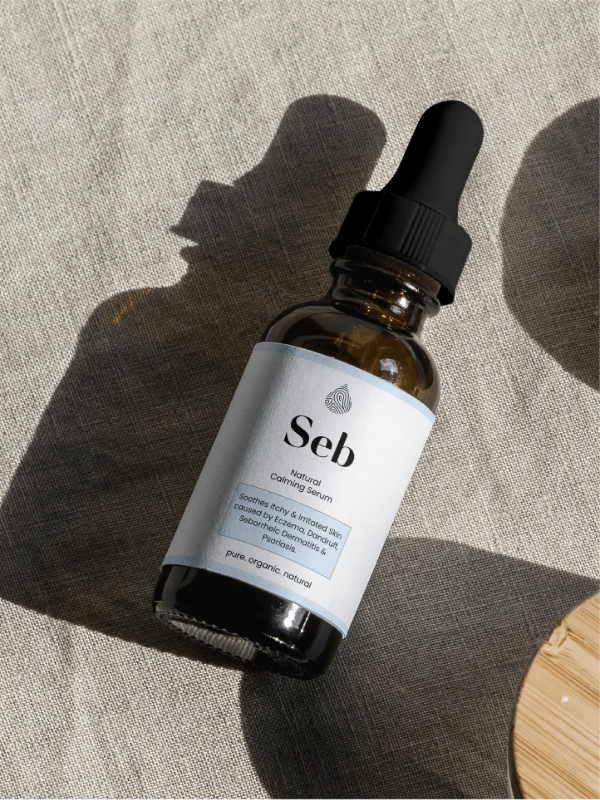
-What role might gentle, “seb-safe” skincare (like Seb Skincare) play in calming stressed skin?
Can stress cause (or worsen) seborrheic dermatitis?
✅ Evidence shows stress can trigger or intensify SD
-A long-standing prospective study found that many people with SD reported a stressful event in the week or month before a flare-up; in follow-up, stress was linked to episodes recurring or persisting.
-A 2025 clinical cohort study of 51 SD patients found a statistically significant correlation between perceived stress (measured by a standard scale) and SD severity. Higher stress levels were associated with worse SD symptoms.
-A more recent clinical study also looked into the “brain–skin connection,” finding that stress and poor sleep quality often preceded or worsened SD, especially when the sweat- and oil-producing scalp glands were involved.
So — while stress alone doesn’t “cause” SD (SD remains a complex skin condition with multiple drivers: oil levels, skin microbiome, immune response, and more) — the evidence strongly supports that stress is a major triggering or aggravating factor for many people.
Psychologically, SD — because of its visibility, chronicity, and sometimes stubborn flares — can itself feed anxiety or depression, creating a vicious cycle: stress → flare-up → more stress → worse skin → more stress.
🧠 Why does stress affect the skin (especially SD-prone skin)?
Here are key mechanisms researchers suspect:
-Hormonal / neuro-endocrine response: Stress triggers activation of the body’s “fight-or-flight” systems (HPA axis, sympathetic nervous system), which can alter sebum production, skin immune response, and even the composition of oils on the skin — the latter can influence the growth of yeast (like Malassezia) that are implicated in SD.
-Barrier disruption + inflammation: Stress appears to impair skin barrier function—reducing lipid (oil) synthesis in the skin, weakening its protective barrier, making it more permeable and reactive. This allows irritants, microbes, or inflammatory mediators easier access, aggravating redness, flaking, itching.
-Immune modulation: Stress influences immune regulation, potentially skewing responses in ways that promote inflammation — which in SD can intensify fungal overgrowth, itching, and skin damage.
-Lifestyle effects: Stress often goes hand in hand with poor sleep, neglect of skincare or hygiene routines, unbalanced diet, or habits like scratching — all of which can worsen SD.
How can I calm my skin naturally (especially during stressful times)?
If stress can exacerbate SD, taking steps to manage stress and support skin barrier & microbiome health makes a lot of sense. Here are holistic approaches — including gentle skincare — that many find helpful.
🧘 Lifestyle & stress-management strategies
-Prioritise good sleep – quality sleep helps regulate stress hormones and supports skin renewal.
-Light exposure & rhythm – regular daylight helps regulate circadian rhythms and mood, which in turn supports stress management and skin health. Some advocates even highlight natural daylight exposure as beneficial.
-Relaxation practices – meditation, gentle movement, yoga, walking, or other calming rituals can help reduce stress load. Many with SD report that relaxation reduces the frequency or intensity of flares.
-Healthy routine – gentle cleansing, moisturising, avoiding harsh soaps/irritants, consistent skincare even during “good” periods helps preserve the skin barrier, making skin more resilient to stress-induced flare-ups.
🌿 Gentle, natural skincare — why it matters (especially under stress)
When stress weakens the skin barrier, makes sebum and oil balance shift, or disturbs the skin microbiome, using gentle, non-irritating skincare becomes more important than ever. Harsh cleansers, aggressive exfoliants, strong chemicals — especially under stress — may worsen barrier disruption and trigger flares.
Some brands, like ours, emphasise that a “natural but effective” approach — using anti-fungal botanicals, barrier-supportive oils, and avoiding harsh chemicals — can help calm SD-prone skin without triggering irritant reactions.
The Takeaway
Living with seborrheic dermatitis is often more than just managing flakes — it’s about managing your body, mind, skin, and lifestyle together. Stress isn’t just a “trigger”; for many people, it’s part of a feedback loop that makes SD harder to control.
By adopting a gentle, mindful skincare routine, paying attention to sleep, stress, and self-care — and avoiding harsh chemicals or over-stripping — you give your skin a better chance to stay balanced.